
Building a custom home is an exciting journey. It starts with choosing the right piece of land. But how much land do you really need?
The answer depends on several factors. The size and design of your home play a big role. Local zoning laws and regulations also impact your decision. Consider the topography and soil quality of the land. These elements can affect construction costs and design options. Access to utilities like water and electricity is crucial. Proximity to amenities such as schools and shopping centers is important. It can influence your choice of location. Custom home builders near you can offer valuable insights. Building on your own lot offers flexibility. It allows for personalized design and layout choices. Understanding land requirements is key to creating your dream home.
Understanding Custom Home Land Requirements
When planning to build a custom home, understanding land requirements is crucial. The land size needed depends on the home’s intended size and layout. A larger home often requires more land to allow for a comfortable fit.
Zoning laws and local regulations play a significant role. They can dictate the minimum lot size needed for construction. Always research local laws before purchasing land.
Besides size, consider the land’s topography. Flat terrain may require less preparation compared to hilly areas. Soil quality also impacts foundation choices and costs.
Environmental factors are important too. Ensure the land is safe from issues like floods or environmental restrictions. This helps avoid future construction problems.
Here’s a quick checklist to guide your understanding:
- Check local zoning laws for size requirements.
- Assess the topography and soil quality.
- Evaluate environmental risks, such as floods.
Factors That Influence How Much Land You Need
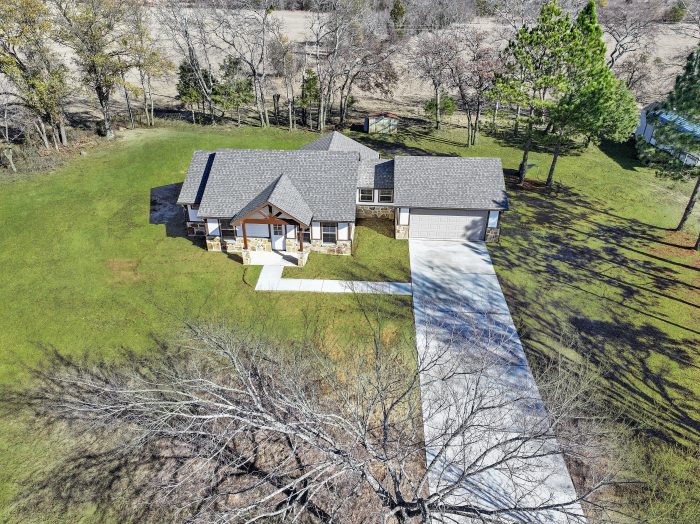
Determining the right amount of land for your custom home involves multiple factors. Start by evaluating the size and style of the home you envision. The larger and more complex your design, the more space you’ll need.
Proximity to essential services can influence your decision as well. Access to roads, utilities, and public services affects convenience and costs. This is why researching nearby infrastructure is vital.
Topography plays a critical role in how much land you might need. Land with steep slopes may require more space for a stable build. Similarly, dealing with uneven land can increase construction expenses.
Consider potential future plans, too. You may want extra land for expansions or landscaping features. Larger lots provide flexibility for gardens or recreational areas.
Don’t overlook neighborhood characteristics. Areas with lower population density might offer larger plots. These generally provide more privacy but might be farther from urban amenities.
Here’s a condensed list to help:
- Home size and architectural style
- Proximity to services and infrastructure
- Topography and landscape
- Future expansion possibilities
- Local neighborhood density
Zoning Laws, Local Regulations, and Minimum Lot Sizes
When selecting land for a custom home, zoning laws are a significant factor. These regulations dictate land use in various areas. They can influence what you can build and where.
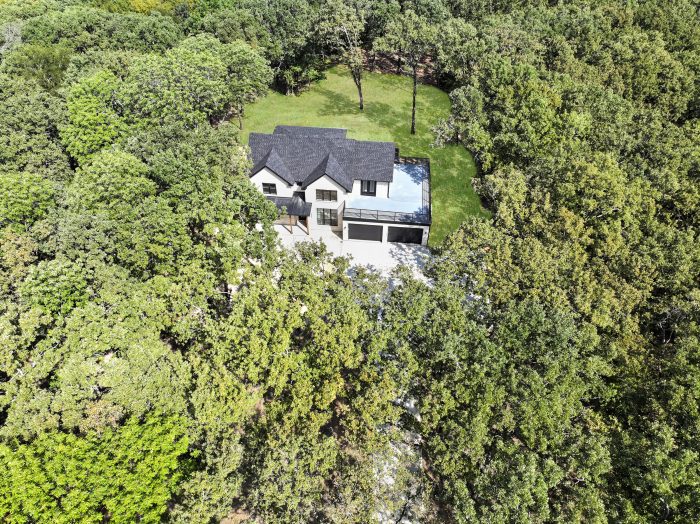
Local regulations often stipulate minimum lot sizes. These rules ensure adequate space between homes. They also help maintain community aesthetics and quality of life.
Understanding these laws helps avoid costly mistakes. If your lot doesn’t meet local requirements, you may face fines or construction delays. Researching zoning rules in advance is prudent.
Also, consider potential future changes in zoning. Such changes could affect the value and usability of your land. Staying informed about local planning can offer insights into upcoming shifts.
Key points to consider:
- Current zoning classifications
- Minimum lot size requirements
- Potential zoning changes
- Impact on future land use
Topography, Soil, and Environmental Considerations
Topography plays a vital role when choosing land for your custom home. The slope and shape of the land can impact the design and construction costs. A flat lot might be easier and cheaper to build on than hilly terrain.
Soil quality is another crucial factor. Poor soil can lead to structural issues and increased costs. Conducting a soil test can help identify if the land is suitable for construction. It ensures long-term stability for your home.
Environmental factors also need attention. Areas prone to flooding can pose risks and may limit building options. Understanding local wildlife and protected zones can prevent legal hurdles during construction.
Consider these elements:
- Land slope and drainage
- Soil fertility and type
- Floodplain risks
- Proximity to protected areas
Being informed about these aspects will guide you in making a well-rounded decision.
Access to Utilities and Infrastructure
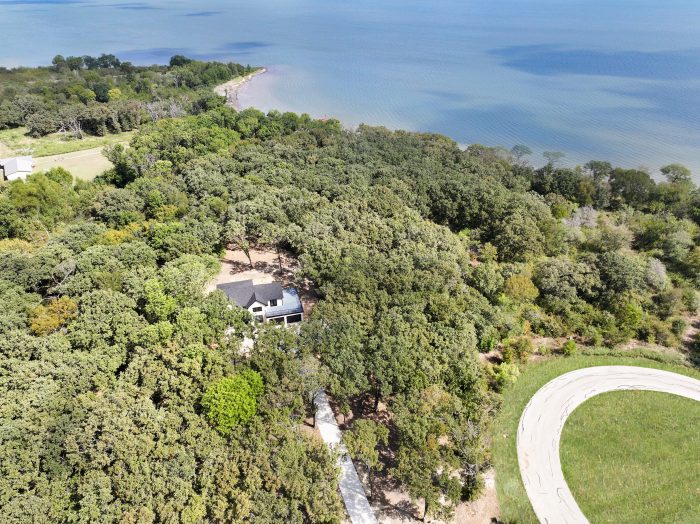
When building a custom home, access to utilities is paramount. Essential services like water, electricity, and sewage should be readily available. The cost of connecting these utilities can significantly affect your budget.
Infrastructure includes roads, public transport, and telecommunications. Proximity to these services can enhance your living experience and convenience. Lack of infrastructure might increase long-term costs and travel time to amenities.
Evaluating these elements:
- Availability of potable water
- Access to reliable electricity
- Connection to sewage and drainage
- Proximity to roads and internet services
By assessing access to utilities and infrastructure, you ensure your custom home supports a modern lifestyle and aligns with your expectations.
Choosing the Right Location for Your Custom Home
Selecting the best location for your custom home involves several critical factors. Proximity to schools, shopping centers, and healthcare facilities can greatly influence your daily life. Prioritizing these elements can boost convenience and accessibility.
Evaluating the community is essential. A vibrant neighborhood can enhance your living experience and satisfaction. Researching the community’s amenities and culture can aid in making an informed decision.
Land cost varies based on location. Urban settings may offer more amenities but come with a higher price tag. Consider what trade-offs are acceptable for your ideal location.
Consider these factors when choosing a location:
- Proximity to essential amenities
- Community vibe and safety
- Land cost versus convenience
- Future development potential
Lot Shape, Orientation, and Home Design Impacts
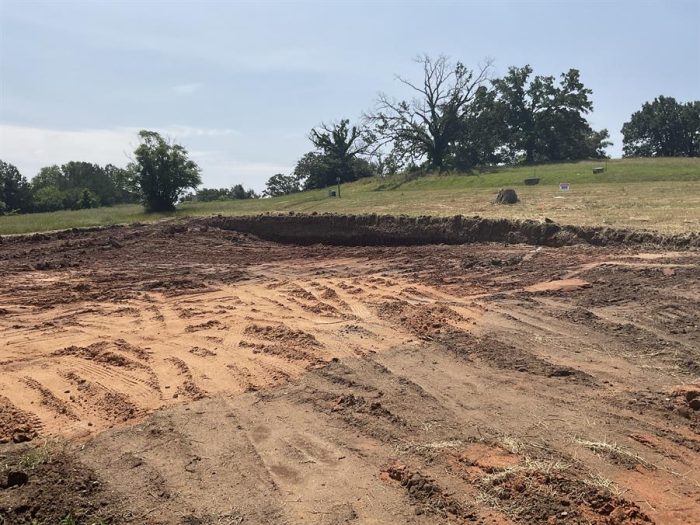
The shape of your lot significantly impacts home design possibilities. An irregularly shaped lot may limit certain layouts but also inspire creative solutions. It’s vital to work with a designer who can make the most of your lot’s unique characteristics.
Lot orientation plays a key role in energy efficiency. A home positioned to maximize natural light can reduce heating and cooling costs. Thoughtful orientation can also enhance your living experience by optimizing natural views.
Consider how the lot’s layout aligns with your home vision. Different lot shapes can lead to distinct design advantages. For example, narrow lots might lend themselves to vertical designs, while square lots offer more flexibility.
Factors to consider:
- Lot shape and design possibilities
- Orientation for energy efficiency
- Aligning design with personal vision
Working With Custom Home Builders Near You
Finding reliable custom home builders in your area can simplify the building process. Local builders understand regional challenges and opportunities. They offer insights into optimal land size and construction methods that suit your environment.
Collaborating with experienced builders helps tailor your home to your specific lifestyle needs. They can recommend the best design approaches and materials. Their expertise ensures your project meets local building codes and regulations.
Before choosing a builder, research their portfolio and client reviews. Understanding their style and past projects can guide your decision. A builder with a strong local reputation can offer peace of mind.
Benefits of working with local builders:
- Knowledge of local regulations
- Expertise in regional materials and designs
- Access to trusted local subcontractors
The Process of Building on Your Lot: What to Expect
Building on your own lot can be both exciting and challenging. The process involves several steps, and each one requires careful planning. You need to be prepared for potential delays and obstacles.
Start by securing necessary permits and approvals. This involves close coordination with local authorities. You’ll need a clear understanding of zoning laws and building codes.
Construction often requires extensive preparation work on the land. You must consider site clearing, foundation preparation, and utility connections. Each phase impacts the timeline and budget.
Key steps when building on your lot:
- Obtain permits and approvals
- Hire architects and builders
- Prepare land and foundation
- Connect utilities and infrastructure
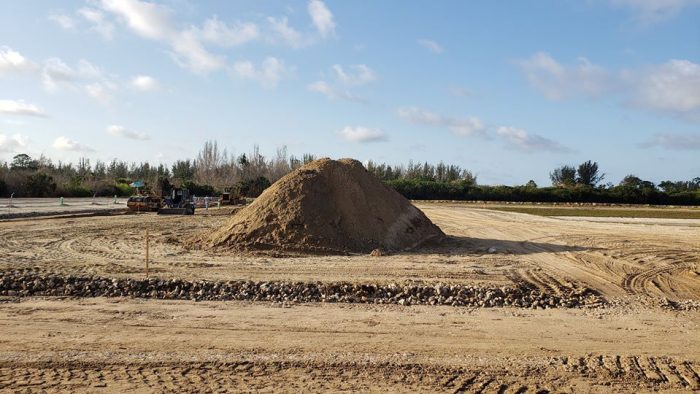
Tips for Finding and Evaluating Land for Your Custom Home
Finding the right land for your custom home is crucial. Start by identifying your priorities, such as location, size, and amenities. These priorities guide your land search and evaluation.
Engage with local real estate agents who know the area well. They can provide valuable insights into the market and future developments. An agent’s expertise can streamline your search.
When evaluating land, visit potential sites personally. Assess factors like topography, access, and neighborhood vibe. Being on-site offers a clearer picture than online descriptions.
Consider these tips when searching for land:
- Define your priorities
- Consult local real estate agents
- Conduct site visits
- Assess neighborhood and amenities
Frequently Asked Questions About Custom Home Land Requirements
Many people wonder about the best land size for a custom home. It truly depends on personal preferences and plans for the property. A larger plot offers more flexibility in design and landscaping options.
Here are some common questions:
- How do zoning laws affect land choice?
- What utilities should I consider?
- How does land orientation impact energy use?
Conclusion: Making the Right Choice for Your Dream Home
Choosing the right land for your custom home is a crucial step. It influences everything from design to future value. Take the time to research and plan meticulously. Consider all factors, including location, size, and environmental conditions. Each of these elements plays a significant role in shaping your dream home. Consulting with professionals can provide valuable insights and help avoid potential pitfalls.
Ultimately, your goal is to make informed decisions. The right choices today will create a home that offers long-term satisfaction and happiness. Take this journey with patience and care.
Categorised in: Uncategorized
This post was written by jparksadmin