Building a custom home on your land is a dream for many. It offers the chance to create a space that truly reflects your style and needs. However, this process is not without its challenges. From site preparation to navigating zoning laws, each step requires careful planning and execution.
Understanding these challenges is crucial for a successful build. Whether it’s budgeting for unexpected costs or choosing the right custom home builder, each decision impacts the final outcome.
This article will guide you through the common obstacles and provide practical solutions. By the end, you’ll be better prepared to tackle the complexities of custom home construction.
Why Build a Custom Home on Your Land?
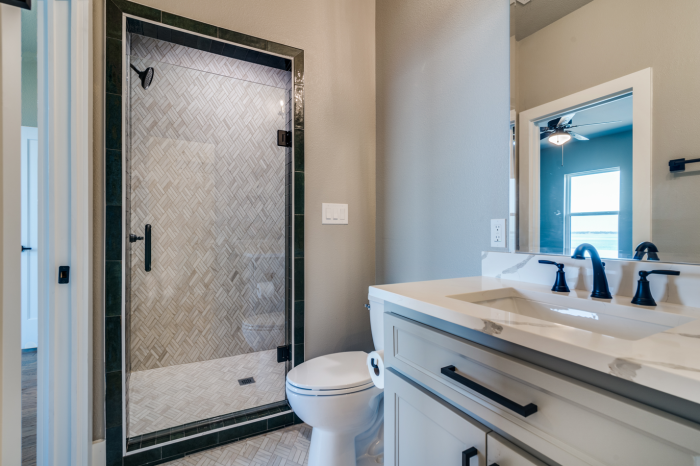
Choosing to build on your lot offers unmatched personalization. Your home can be tailored to fit your lifestyle and preferences precisely. Unlike buying a pre-existing house, you have complete control over every detail.
This personalized approach means incorporating unique features and specific amenities. Whether it’s a gourmet kitchen or a spacious home office, you create a space that suits your needs.
Opting to build a custom home on your land also allows for future-proofing. You can plan for potential growth or lifestyle changes. Advantages of building your custom home include:
- Complete design flexibility
- Integration of energy-efficient solutions
- Opportunity for long-term savings through quality materials
Overall, building on your land provides an opportunity to realize a dream home that matches your vision.
Site Preparations and Land Considerations
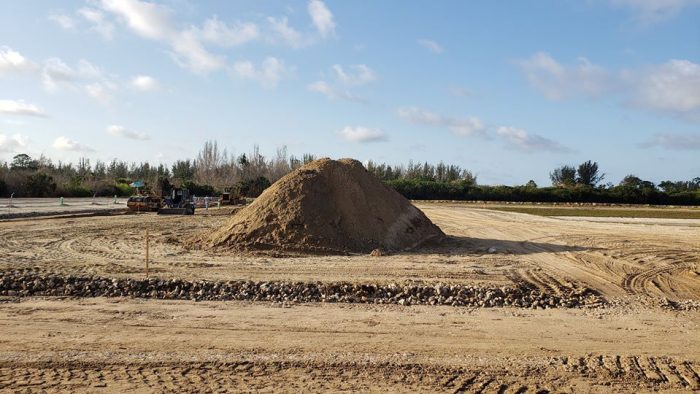
http://parksdoesit.comPreparing your land is a critical step in custom home construction. It involves ensuring the site is ready for building, addressing potential challenges upfront. Before breaking ground, thorough evaluation of your land is essential.
Key site preparation activities include clearing vegetation, grading, and ensuring proper drainage. Each task safeguards your future home from natural elements. Soil testing is also crucial, as it determines the foundation’s stability.
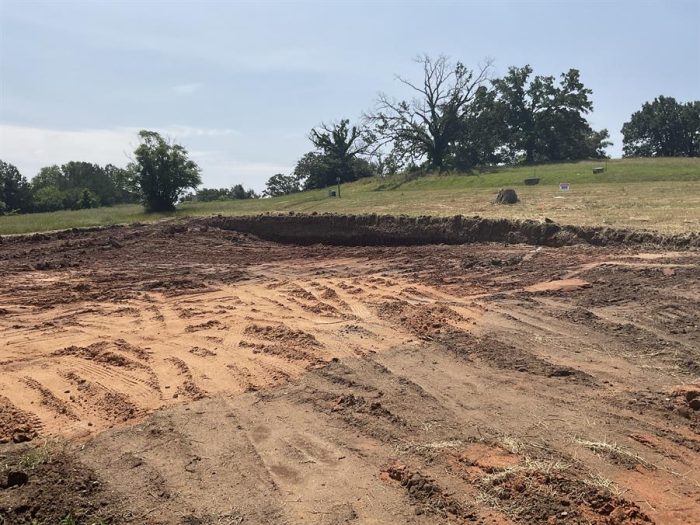
Understanding land topography can prevent unexpected issues during construction. A sloped lot, for instance, might need additional engineering solutions. Addressing such factors early helps avoid costly adjustments later.
Moreover, check for accessibility to utilities. Ensuring access to water, electricity, and sewage can streamline your build. Considerations during site preparation typically include:
- Land clearing and debris removal
- Grading and leveling
- Soil testing and drainage planning
Proper site preparation sets the stage for a successful home build. It ensures your land supports your dream home both now and in the future.
Navigating Zoning Laws, Permits, and Building Codes
Before construction begins, understanding zoning laws and building codes is crucial. These regulations ensure your home adheres to legal requirements. Ignoring them can lead to delays or fines, so it’s vital to stay informed.
Zoning laws govern land use, dictating what type of structures can be built. Review them early to avoid conflicts with your building plans. They affect everything from your home’s size to its placement on the lot.
Securing the necessary permits is another essential step. Permit applications can be time-consuming, requiring detailed documentation. Having all paperwork in order can speed up the process significantly. Keep the following considerations in mind:
- Understand local zoning regulations
- Identify required permits and documents
- Follow building codes for structural integrity
Building codes ensure safety and quality, covering areas like electrical systems and structural design. Consult with local officials or custom home builders to navigate these complexities. Preparing thoroughly paves the way for a compliant and timely home build.
Budgeting and Managing Unexpected Costs
Accurate budgeting is vital when building a custom home on your land. It’s common for unexpected costs to arise. Planning ahead can help mitigate financial surprises.
Begin by estimating the overall construction costs, including materials, labor, and permits. Always include a contingency fund to handle unforeseen expenses that may surface during the process. This fund acts as a safety net and helps maintain your financial stability.
Cost overruns often occur due to changes in design or material choices. It’s crucial to stick to the original plan as closely as possible. Re-evaluate any changes for necessity and budget impact before implementation. Keep a watchful eye on the following elements:
- Initial cost estimates and quotes
- Reserve funds for surprises
- Consistent monitoring of expenditures
Monitoring cash flow and maintaining open communication with your builder can help prevent budget-related stress. Regularly review financial reports and compare them against estimates. Visualizing the progress and financial situation aids in making informed decisions.
Choosing The Right Custom Home Builder
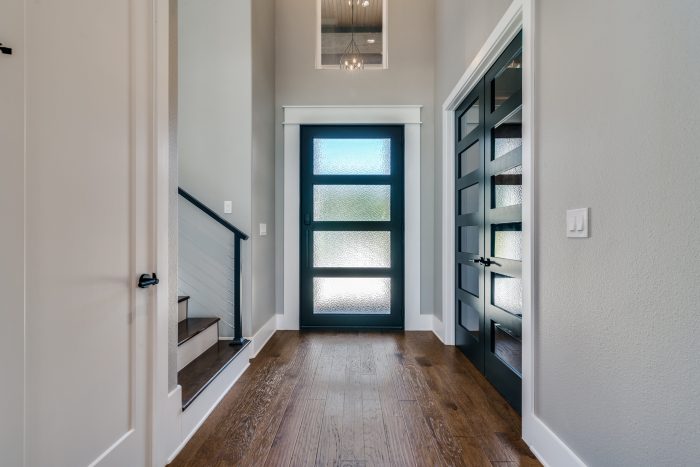
Selecting the right custom home builder is crucial to the success of your project. A skilled builder brings your vision to life. They ensure the construction process is smooth and efficient.
Begin by researching potential builders in your area. Look into their experience and past projects. Reviews and recommendations provide insights into their reputation and reliability. Scheduling consultations with a few builders can help you gauge compatibility.
During consultations, ask about their approach and how they handle unexpected challenges. It’s important to assess their communication skills and responsiveness. Trust your instincts and consider the following when making your decision:
- Experience in custom home construction
- Positive client testimonials
- Clear communication and transparency
The right builder can make a significant difference in your custom home experience. They become a vital partner in the journey from design to completion.
Design Challenges and Making Changes During Construction
Designing a custom home means creating a unique living space. This task comes with certain challenges, particularly when changes occur mid-construction. Even with thorough planning, unforeseen needs might arise.
Changing designs during construction can lead to time delays and additional costs. It’s crucial to address these changes swiftly and efficiently to minimize impact. Homeowners should work closely with architects and builders to adapt plans as needed.
To manage design changes effectively, consider the following:
- Maintain open lines of communication with your builder.
- Ensure all changes are well-documented in updated plans.
- Evaluate the impact of changes on timelines and budgets.
While changes are sometimes necessary, it helps to anticipate potential adjustments. Flexibility and collaboration with your team can ensure a smoother construction process and a result that aligns with your vision.
Utility Access and Infrastructure Planning
Planning utility access is crucial when building a custom home on your land. Without proper infrastructure, even the best design can face issues. Consider essential services like water, electricity, and sewage from the outset.
Engaging with utility companies early can streamline the installation process. This helps prevent delays and reduces potential complications. Assess the availability and accessibility of these utilities on your lot to plan effectively.
Key steps to consider:
- Contact utility providers to discuss infrastructure needs.
- Determine the locations of existing utility lines.
- Plan for future expansions of utility services.
Thoughtful utility planning ensures your custom home is functional and ready for living. This step helps avoid potential setbacks and prepares the home for immediate occupancy.
Environmental and Weather-Related Obstacles
Environmental and weather factors can significantly impact the construction of your custom home. They influence both the timeline and the methods used. For instance, heavy rains might delay work, while extreme temperatures could affect material integrity.
Assess your land for soil quality and stability before starting construction. Different soils require different foundation solutions, impacting cost and time. It’s crucial to understand how local weather conditions might hinder progress.
To address environmental challenges:
- Conduct soil tests to determine suitability.
- Plan construction schedules around seasonal weather patterns.
- Implement erosion control measures to protect the site.
Being proactive about environmental and weather-related challenges helps mitigate delays and ensures a smoother building process. Careful planning in these areas can prevent significant obstacles from derailing your project.
Timeline Delays and Supply Chain Issues
Building a custom home often encounters timeline delays due to various factors. Supply chain issues can be a significant contributor. Materials might not arrive on time, pushing back the construction schedule and increasing stress.
To navigate these delays effectively:
- Order materials well in advance.
- Keep communication open with suppliers.
- Have backup plans in case of shortages.
Flexibility is key when facing supply chain challenges. By anticipating potential delays and having contingency plans, you can minimize disruptions. This approach helps maintain the project’s momentum and keeps it on track, ensuring that your custom home is completed as planned.
Communication and Collaboration With Your Builder
Effective communication is crucial in custom home construction. It helps prevent misunderstandings and keeps the project aligned with your vision. Regular meetings with your builder allow you to discuss progress, challenges, and solutions.
To foster good communication:
- Be clear about your expectations.
- Ask questions whenever uncertain.
- Provide feedback promptly.
Collaboration with your builder can enhance the final outcome. By sharing ideas and insights, you ensure that your project benefits from professional expertise. This partnership not only streamlines the construction process but also brings your dream home to life with fewer complications.
Solutions and Pro Tips for a Smooth Custom Home Build
Building a custom home on your land involves facing and overcoming various challenges. Practical solutions and expert tips can make the journey smoother and more rewarding. Anticipate potential issues to mitigate stress and cost increases.
Consider these pro tips to enhance your experience:
- Involve an experienced project manager for seamless coordination.
- Establish a contingency fund for unforeseen expenses.
- Regularly review plans to ensure they reflect your evolving needs.
Embrace flexibility in your approach, allowing for adjustments as needed. Equally important, maintain open lines of communication with your team of custom home builders. These strategies can transform obstacles into opportunities, ensuring that your custom home build is a satisfying and successful venture.
Conclusion: Turning Challenges Into Your Dream Home
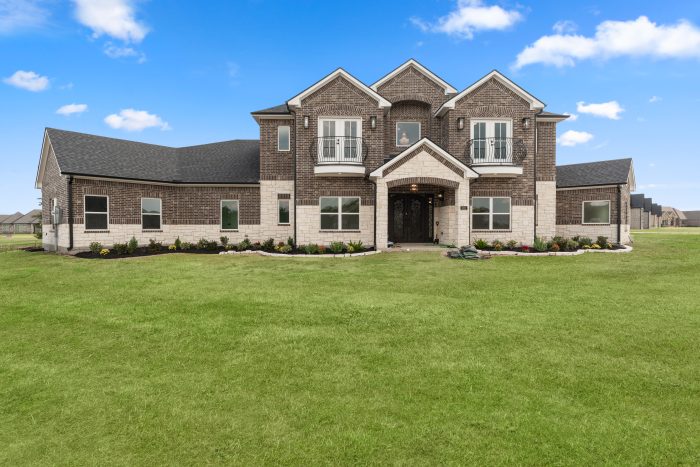
Embarking on a custom home project can feel daunting. Challenges are inevitable, but each obstacle provides a chance to personalize and improve your home. By planning ahead and selecting the right custom home builders, your vision becomes achievable.
https://share.google/sAkq0RcgInVqpNQSxAdapting to unforeseen challenges with creative solutions will lead to a home that truly reflects your style and needs. With careful consideration and proactive planning, you can transform potential hurdles into opportunities, resulting in a beautiful and functional custom home on your land.
Categorised in: Uncategorized
This post was written by jparksadmin